

If an animal is loose in your living area or you suspect venomous wasps or active termite swarms, do not disturb the nest or try DIY chemical foggers. Call our Melville technicians directly at (321) 496-4080 for 24/7 emergency dispatch.
Keep all family members, guests, and pets inside and use an alternate entry immediately. Do not attempt daytime retail aerosol spraying, baseball bat knockdowns, or hose spraying, which release alarm pheromones and incite aggressive colony swarming. Yellowjackets and bald-faced hornets near doorways pose acute sting risks. Call Sayonara Pest Control at (321) 496-4080 for immediate protective gear neutralization and nest removal.
In This Guide (Table of Contents)
- 01.High-Hazard Entryway Dynamics: Why Doorway Nests Are Uniquely Dangerous
- 02.Identifying Your Visitor: Paper Wasps vs. Yellowjackets vs. Bald-Faced Hornets
- 03.Alarm Pheromones and Swarm Mechanics: Why Retail Aerosols Fail at Doorways
- 04.Professional Neutralization Protocol: Evening Knockdown and Protective Suit Injection
- 05.Micro-Encapsulated Residual Barriers: Preventing Queen Re-Nesting Next Spring
- 06.Pet and Family Safety Precautions During Entryway Treatments
- 07.Frequently Asked Questions
High-Hazard Entryway Dynamics: Why Doorway Nests Are Uniquely Dangerous
A wasp nest constructed beneath front porch overhangs, doorway soffits, exterior light fixtures, or door trim creates an immediate safety crisis for Long Island residents. Unlike a nest located high in a backyard oak tree, an entryway nest intersects with daily foot traffic, mail carriers, and delivery couriers multiple times a day.
Every door closure sends mechanical shockwaves through the wall studs, agitating the guard wasps stationed at the nest entrance. In late summer when colonial populations peak and natural nectar sources decline, wasps become aggressively defensive of their food reserves, launching sudden, unprovoked stinging assaults on anyone approaching the front steps.
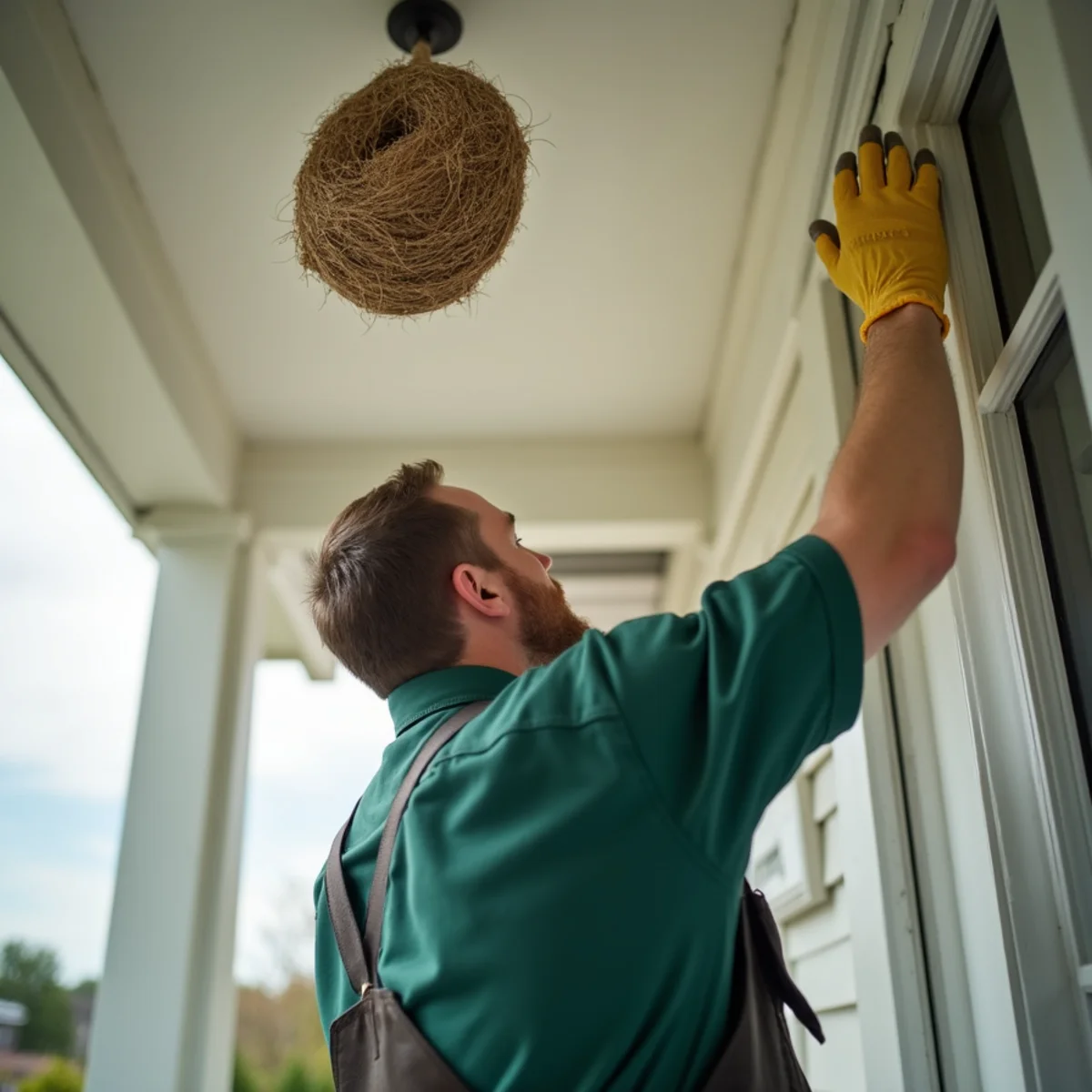
Identifying Your Visitor: Paper Wasps vs. Yellowjackets vs. Bald-Faced Hornets
Accurate species identification determines the level of aggression and treatment method:
1. Paper Wasps (Polistes dominula): Build open, umbrella-shaped paper combs with visible hexagonal cells under porch eaves. They have long, dangling legs in flight and moderate defensive aggression.
2. German or Eastern Yellowjackets (Vespula maculifrons): The most dangerous suburban invaders. They frequently enter small weep holes or siding gaps near doorsteps, constructing massive hidden nests inside wall voids with hundreds of aggressive workers.
3. Bald-Faced Hornets (Dolichovespula maculata): Technically an aerial yellowjacket, they construct massive, closed gray paper globes with a single bottom entrance hole. They possess potent venom and will chase perceived threats for dozens of yards.
Alarm Pheromones and Swarm Mechanics: Why Retail Aerosols Fail at Doorways
The standard homeowner approach of buying a $7 aerosol wasp freeze can at a local hardware store frequently backfires. These consumer products contain fast-acting pyrethroids that trigger an immediate alarm pheromone release from dying wasps. This chemical alarm signals every foraging worker in the surrounding neighborhood to attack the chemical source.
Furthermore, retail sprays fail to penetrate the thick multi-layered paper envelope of hornets or the interior drywall cavities where yellowjackets nest. Spraying an exterior siding hole with retail aerosol merely drives angry wasps through electrical outlets and baseboards into your interior living room.
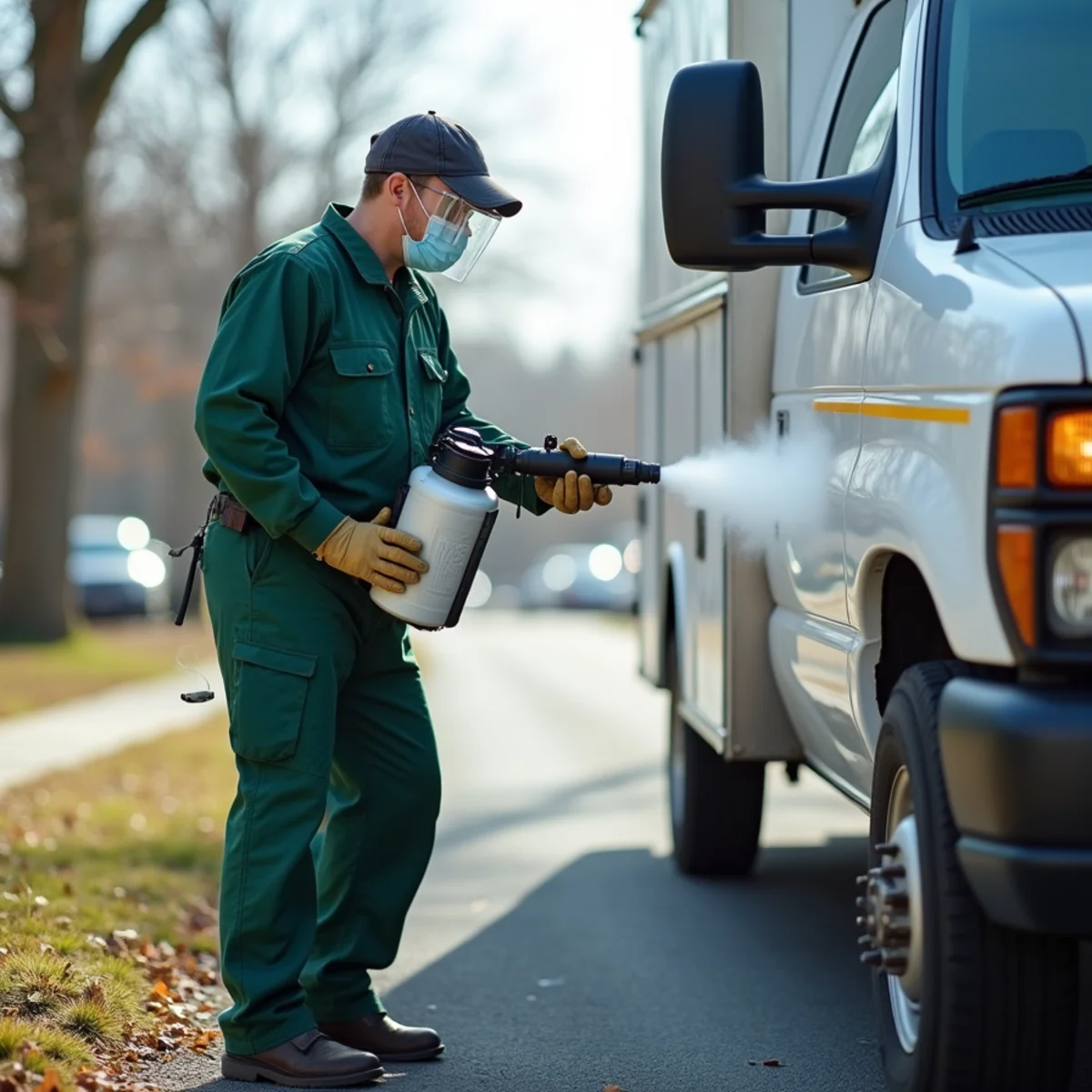
Professional Neutralization Protocol: Evening Knockdown and Protective Suit Injection
Sayonara Pest Control handles entryway nests using disciplined tactical protocols:
Step 1: Certified technicians arrive equipped with heavy multi-layer professional sting suits, mesh veils, and sealed leather gauntlets.
Step 2: We utilize targeted non-repellent insecticidal dusts and micro-encapsulated liquid formulations injected directly into the nest core and entrance holes using specialized B&G pressure equipment.
Step 3: Materials act quickly to neutralize the queen and guard workers without triggering an erratic neighborhood swarm.
Step 4: Once activity ceases, our technician physically scrapes and removes the nest structure, bagging it for safe off-site disposal.
Step 5: The mounting substrate is treated with an enzymatic wash to dissolve chemical scent markers that attract future queens.
Micro-Encapsulated Residual Barriers: Preventing Queen Re-Nesting Next Spring
Eliminating the active nest is only half the battle. Each autumn, newly mated fertile queens abandon dying colonies to seek sheltered overwintering cracks beneath siding, shutters, and porch ceilings across Nassau and Suffolk counties. Come April, these queens emerge and attempt to establish new nests in the exact same prime doorway locations.
Our Quarterly Home Protection program includes application of long-lasting, UV-stable micro-encapsulated repellent barriers applied to eaves, soffits, and window pediments each spring, permanently repelling queens before paper construction can begin.
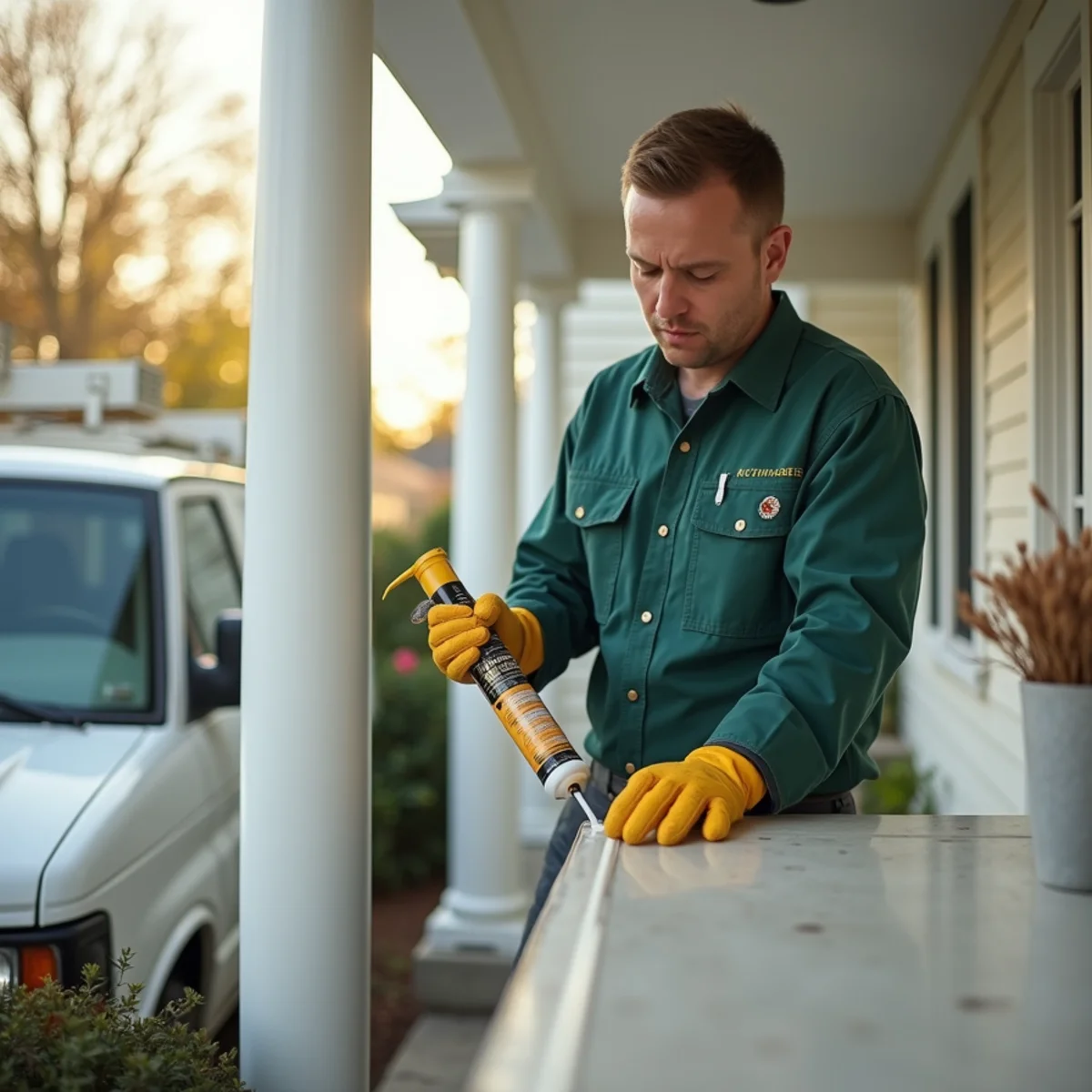
Pet and Family Safety Precautions During Entryway Treatments
During and immediately following any stinging insect treatment, safety remains paramount. While modern EPA-registered materials are low-hazard to mammals once dry, dying wasps can land on porch steps, lawns, or door mats where pets or barefoot children can easily step on them.
Under NYSDEC application guidelines, we establish a strict safety perimeter. We advise occupants to remain indoors with windows and doors shut for 2 to 4 hours until all aerosol mists have dried completely and the physical nest structure has been thoroughly eradicated.
Front Door Wasp Emergency Triage Protocol
- ✓Lock the front entry door immediately: Put a sign on the door instructing delivery couriers and visitors to use an alternate entrance.
- ✓Keep pets indoors: Curious dogs and cats investigating buzzing insects near door thresholds frequently suffer multiple facial stings.
- ✓Never spray retail wasp aerosol during daylight: Daytime spraying agitates hundreds of foraging workers returning to the nest, provoking violent swarm attacks.
- ✓Do not hit the nest with brooms or garden hoses: Physical impact bursts the paper envelope and triggers an immediate aerial defensive attack.
- ✓Check siding gaps: If wasps are disappearing behind vinyl siding rather than an exposed nest, they are nesting inside structural wall cavities.
- ✓Contact certified emergency exterminators: Our team deploys full sting suits and specialized micro-encapsulated formulations for 100% elimination.
Advice from Our Melville Field Operators
Doorway wasp nests are dangerous because every time someone opens or closes the front door, the vibration travels directly through the framing into the nest pedicle. Paper wasps, yellowjackets, and bald-faced hornets interpret vibrations and carbon dioxide breath as an attack on their queen. What starts as a small golf-ball-sized nest in June can expand to over 1,000 defensive insects by August. If the nest is within 10 feet of an entrance, treat it as a medical emergency—especially for family members with unknown venom allergies.
Frequently Asked Questions
Can wasps sting multiple times?
Yes. Unlike honeybees which have barbed stingers that tear away upon stinging, wasps and hornets have smooth stingers that allow them to sting repeatedly without losing their stinger or dying. This makes swarm attacks exceptionally dangerous.
What happens if wasps are entering behind my vinyl siding by the door?
Do not caulk or seal the siding entry hole. Sealing the opening forces thousands of yellowjackets to chew through sheetrock, finding their way into your hallway, kitchen, or living room. Call our team to inject pressurized insecticidal dust into the wall void.
How quickly can Sayonara Pest Control remove a front door wasp nest?
Because entryway stinging insects represent an acute medical and safety hazard, we provide same-day emergency dispatch across Melville, Huntington, Plainview, and surrounding Long Island towns. Call (321) 496-4080 for immediate response.
Is pest control for wasps covered under the Quarterly Home Protection plan?
Yes. Our comprehensive Quarterly Home Protection plan covers exterior wasp, yellowjacket, and hornet nest management under eaves, decks, and doorways, including free retreatments if new nests emerge between scheduled visits.
About Sayonara Pest Control
Based at 445 Broadhollow Rd, Suite 25 in Melville, NY, Sayonara Pest Control provides licensed extermination and humane wildlife trapping across Suffolk County, Nassau County, and NYC. Our focus is root-source elimination through Integrated Pest Management.